Fashion
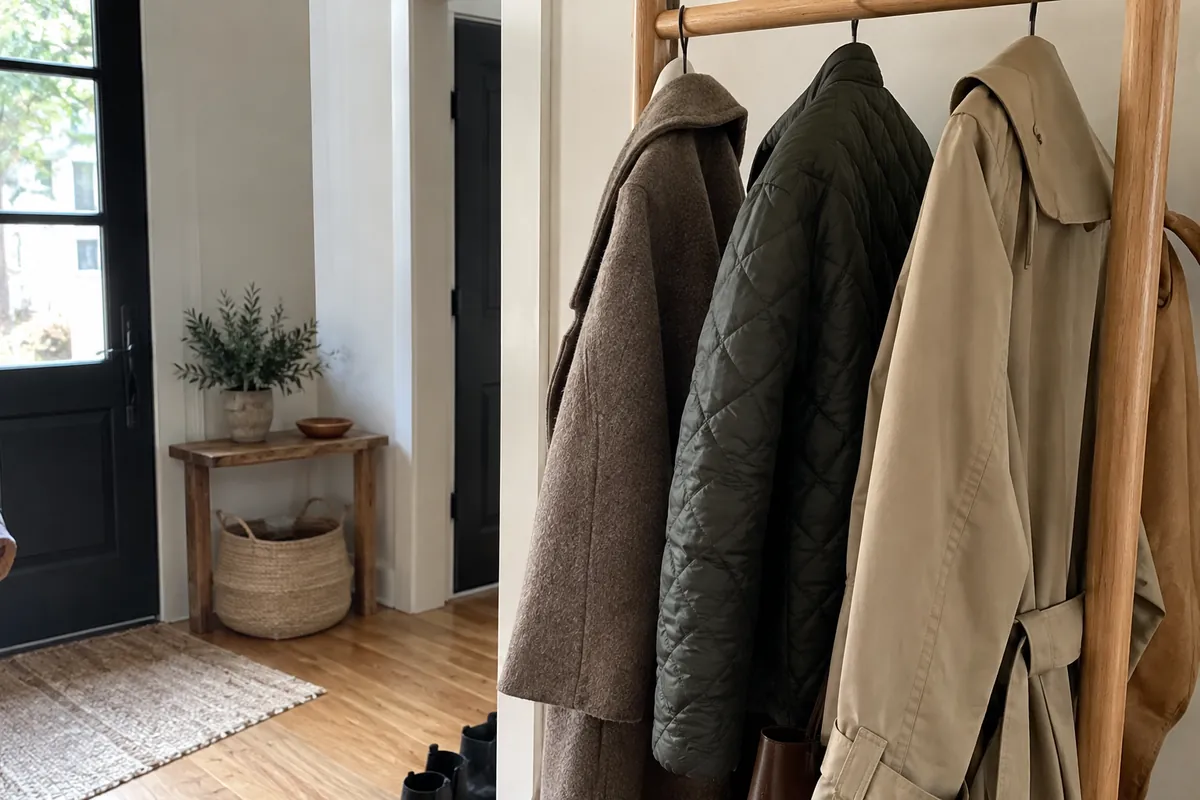
5 Reasons to Invest in Good Outerwear
A coat is the piece you see first and wear most often, so it deserves the budget.
Judge an outerwear purchase by how often you expect to wear it, its suitability for your conditions, its fit and its actual condition. Price alone does not establish warmth, durability or repairability. Check care requirements and any proposed repair before paying.
1. You wear it more than almost anything else
In cold or changeable weather, outerwear is the first piece you put on and the last you take off. A coat that you wear five days a week is in use far more than most dresses or shirts. That frequency is why its cost per wear can be low even at a higher price.
2. It shapes every outfit underneath
The coat changes the outline of an outfit. Compare the shape you enjoy with the layer you intend to wear beneath it; a relaxed shape is not automatically a careless choice. Choose the combination that serves your own routine.
3. It keeps you warm and comfortable
Check the maker’s intended use and the garment’s construction, fit and condition. Price and thickness alone do not provide a complete account of how a coat will perform in your conditions. Consider the layer underneath and the care the item requires.
4. Good coats last and can be repaired
Inspect the actual stitching, closures, lining and worn areas. A repairer can assess whether a proposed repair is feasible on that garment and what it will cost. Keep the quote separate from the selling price; neither an expensive label nor a low price determines the answer.
5. It makes buying secondhand easier
Quality outerwear holds up well in the secondhand market. A good wool coat bought used can be better value than a new cheap one, and the checklist for thrifting applies: check seams, lining, closures and the shoulder fit. The thrift checklist walks through each step.
Common mistakes
Buying a coat for the shop lighting is a frequent error. Under bright lights almost any coat looks good. Try it on in daylight with the jumper you will wear underneath, and move your arms as if you were reaching for a bag.
Choosing a colour that clashes with everything else is another. A bright coat can be wonderful, but it limits the outfits it works with. Pick a neutral for your main coat and keep the bright option for a second, lighter layer.
How to choose a coat worth paying for
Look for a fabric that suits your climate, a cut that fits your everyday life and a colour that works with at least three pieces you own. Try it on with a jumper underneath, since you will wear it that way. A coat that fits over a knit and still allows you to lift your arms is a good sign.
Ask what an outerwear price actually buys
Compare a coat’s documented features and condition with its intended use before treating its price as a promise. A repair may be possible on one item and impractical on another. Ask for an assessment or quote for the particular damage instead of assuming that an expensive piece will be economical to restore.
| Decision | Evidence to seek before paying |
|---|---|
| Everyday layer | Intended conditions, care requirements and the layer tried underneath |
| Secondhand condition | Clear views of closures, lining, wear and any disclosed damage |
| A planned repair | Whether the work is feasible on this garment and a relevant quote |
| An online size comparison | Labelled shoulder, sleeve and other finished measurements |
The shoulder-width method helps with that last row without turning a matching number into a guarantee. Check the rest of the cut and return terms too. A purchase you will rarely use can remain poor value at any price; a higher price does not establish durability, warmth or repairability on its own.